Building Civic Clarity for Every Citizen.
Who We Are
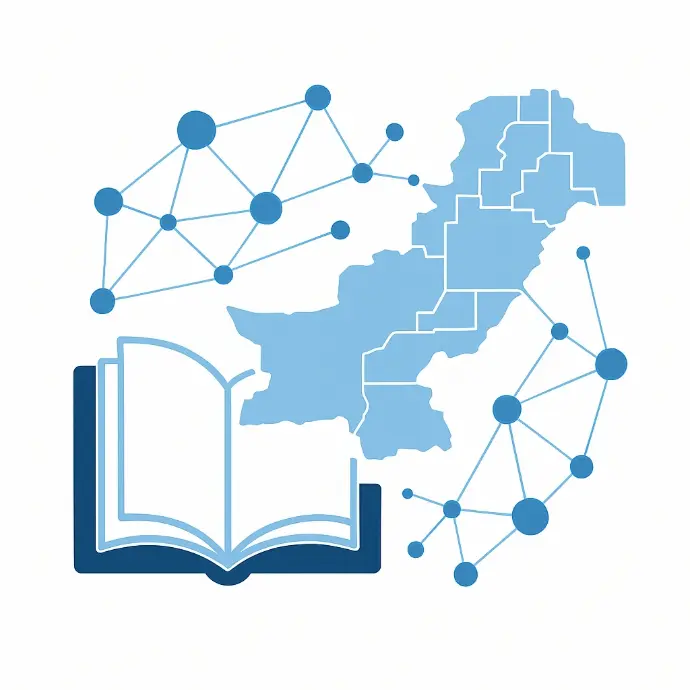
Our Mission
Our Vision
Our Story
Idea
PakPedia began as a civic innovation concept to make Pakistan’s Constitution and governance systems understandable for all citizens.
First Constitution Explorer
The first digital Constitution Explorer was launched, translating legal articles into clear, accessible language.
District Mapping
PakPedia expanded to map local governance and police jurisdictions across all major districts of Pakistan.
Community Hub Launch
The Community Hub went live, hosting open-source civic tools and apps for social impact and local engagement.
Civic Data Integration
PakPedia now connects constitutional, legal, and local datasets into an integrated civic data platform for transparency and public use.
How We Work
PakPedia functions as a collaborative civic infrastructure project — merging content, data, and tools:
Constitution Explorer
Explains every article, clause, and amendment with historical context and case references.
Law & Local Governance Finder
Shows district-specific data such as police jurisdictions, local councils, and provincial laws.
Community Hub
Hosts digital civic apps and crisis tools for real-world use, from disaster mapping to household planning.
Research & Insights
Publishes studies, visual timelines, and case analyses connecting legal updates to public impact.

Our Core Values
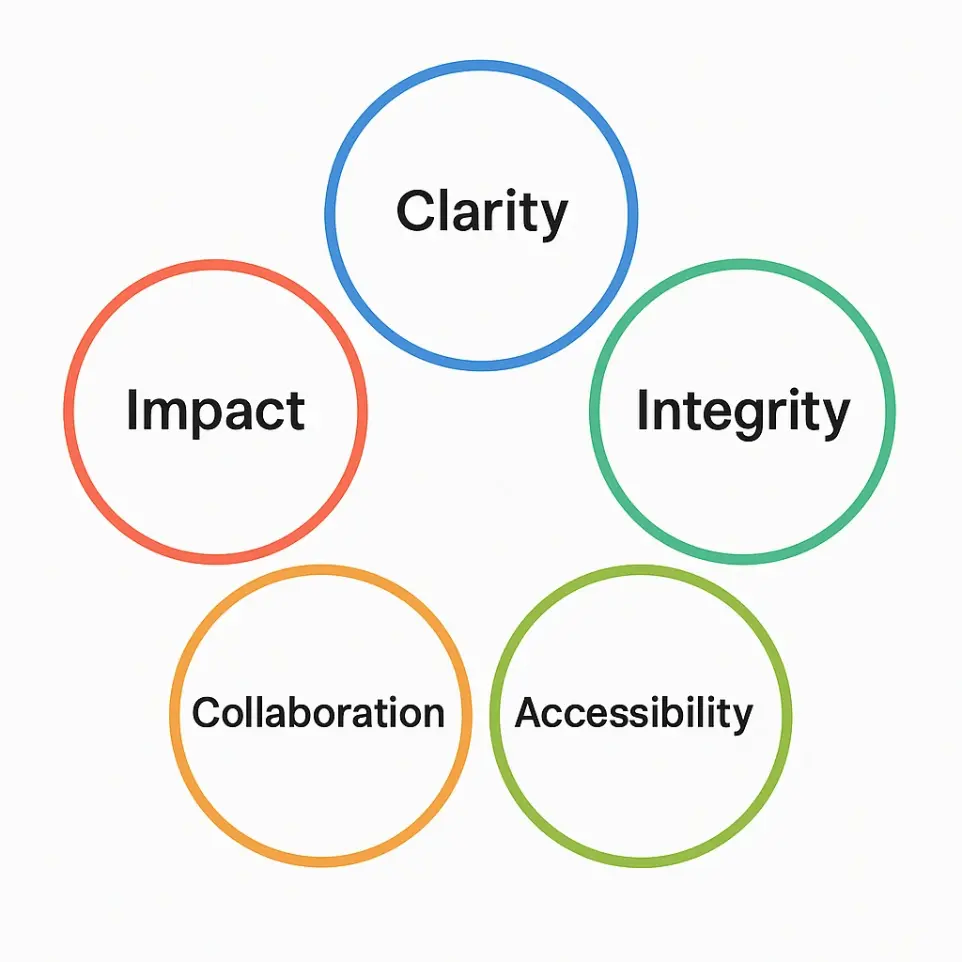
Our work is guided by values that ensure every dataset and article serves public understanding and trust.
Knowledge Values
Essential tools for your success.
Clarity
Translating complex legal and governance language into simple, accurate, and relatable explanations.
Integrity
Ensuring transparency by relying only on verified sources, public data, and open references.
Accuracy
Upholding factual precision and context in every constitutional, legal, and civic interpretation published.
Community Values
Everything you need to get started.
Accessibility
Keeping all knowledge open, free, and mobile-friendly for citizens, educators, and researchers alike.
Collaboration
Building partnerships with civic organizations, journalists, educators, and local governments to expand reach.
Impact
Transforming civic awareness into measurable community empowerment and participatory governance.
Greater
Impact
Making a difference every day
Key
Milestone
Reaching new heights together
Innovation
Hub
Where ideas come to life
Community
Focus
Building connections
Impact & Reach
PakPedia’s growing footprint reflects a nationwide movement toward civic literacy:
280+
- Articles Explained
Every article of the Constitution contextualized and simplified.
12k+
- Learners Served
Students and journalists using PakPedia resources in research and reporting.
150+
- Districts Mapped
Visual dashboards showing local governance and police jurisdictions.
7+
- Community Apps Hosted
Open tools supporting education, logistics, and humanitarian causes.
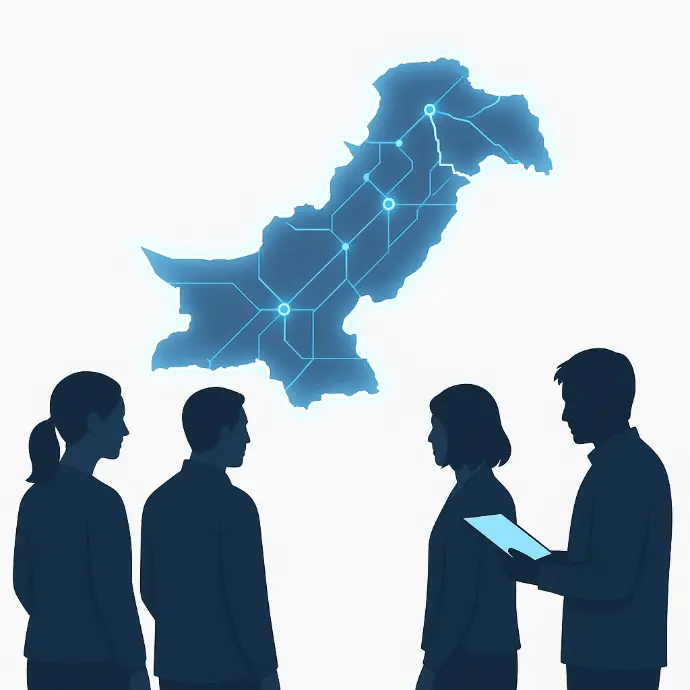
Why It Matters
Building Informed Citizens
From Awareness to Action
Understanding the law transforms citizens from passive observers into active participants in governance.
Empowerment Through Knowledge
Civic education enables people to interpret policies and legal frameworks with clarity and confidence.
Democracy in Practice
When citizens understand their rights, they make informed choices that strengthen democratic institutions
Bridging Law and Life
PakPedia connects written policies with everyday realities through plain language and transparent data.
Trust Through Transparency
Open access to verified information fosters accountability and strengthens public trust.
Building an Informed Nation
A knowledgeable society forms the foundation of a just, participatory, and forward-moving Pakistan.
Join the Movement
Frequently asked questions
Here are some common questions about our company.
About the Platform
Q1: What makes PakPedia different from other information websites?
PakPedia focuses on verified, open civic knowledge — translating Pakistan’s Constitution, laws, and governance data into clear, understandable language with mapped districts and interactive tools.
Q2: Who verifies the information published on PakPedia?
All content is drawn from official gazettes, court rulings, and government publications, reviewed by civic educators, legal experts, and data analysts before publication.
Q3: How often is PakPedia updated?
Constitutional and governance datasets are reviewed quarterly, while new civic applications and community updates are added continuously.
Q4: Does PakPedia collaborate with government bodies?
While PakPedia operates independently, it uses verified public data and occasionally partners with universities, journalists, and policy researchers.
Contributions & Updates
Q5: How can I contribute to PakPedia?
You can join the contributor network through the Community Hub, helping explain laws, map data, or translate civic content for public benefit.
Q6: Can I suggest corrections or updates?
Yes. Every page includes a Feedback & Review link where verified updates or corrections can be submitted for editorial approval.
Q7: Can organizations or educators collaborate with PakPedia?
Absolutely. PakPedia welcomes partnerships with civic organizations, universities, and NGOs to expand access and accuracy of public knowledge.
Q8: What future features can we expect?
Upcoming initiatives include the Civic Data Portal, Citizen Law Tracker, and Open Case Archive, creating a comprehensive ecosystem for Pakistan’s civic information.
Access & Privacy
Q9: Is PakPedia available in Urdu or regional languages?
Yes. Core content is already available in Urdu, with upcoming versions planned in Sindhi, Pashto, and Punjabi to expand accessibility.
Q10: Can I use PakPedia content for research or teaching?
Yes. All materials are open for educational and non-commercial use, provided that proper attribution to PakPedia is maintained.
Q11: How does PakPedia ensure user privacy?
PakPedia does not collect personal user data. The platform operates transparently, focusing solely on providing public civic knowledge and datasets.